Pillar 01 · Energy efficiency

Energy audits and efficiency measures with verified savings.

We find where energy is lost, fix it with proven technologies and prove the result. Feasibility studies, EPRA energy audits, power quality, voltage optimisation, drives, lighting, HVAC and refrigeration, measured and verified to IPMVP.

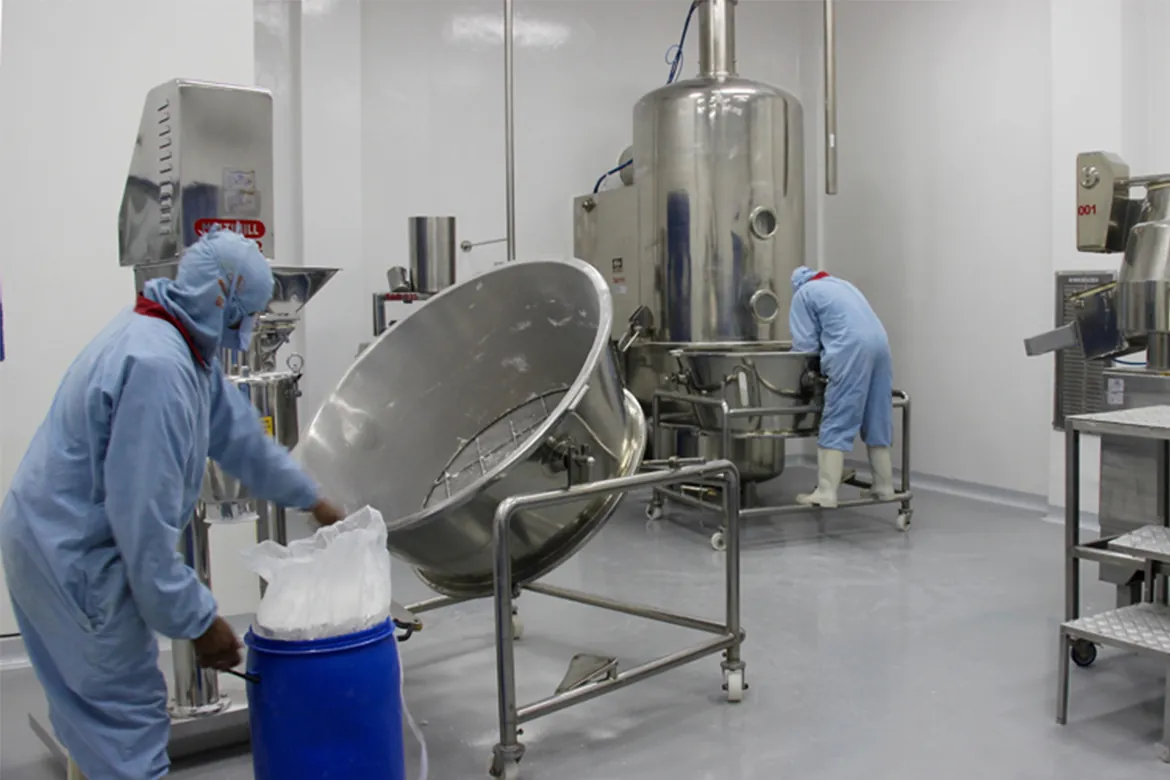
Technicians operating processing equipment in a manufacturing plant
Services

From the first audit to monthly verified savings.

Energy audits

The first step in understanding how a building uses energy. A Walk-Through Audit gives the consumption profile, savings potential and preliminary CAPEX and OPEX. An Investment-Grade Audit adds full metering, 24/7 monitoring, detailed design and a financial proposal with ROI and simple payback.

Energy audits →
Energy Savings Performance Contracts

Energy-saving projects with no upfront capital. We finance the measures and are paid from part of the verified savings, aiming for positive cash flow from the start.

Measurement and verification

Savings determined to IPMVP and led by a CMVP. We can also act as an independent third-party M&V provider.

EnMIS platform

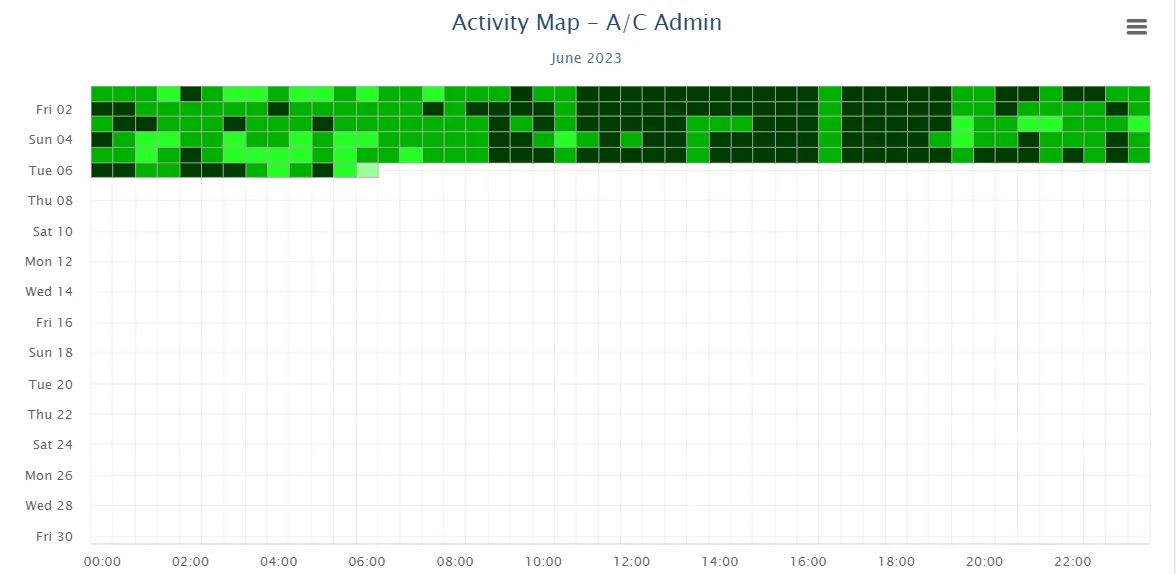
Our Energy Management Information System combines AI with energy and operational data: interval and demand data, temperature, humidity, pressure and occupancy, with predictive profiling and savings heat maps.

Thermography

Infrared inspections that reveal overloaded circuits, faulty insulation and connections and defective components, without interrupting production.

Installation and maintenance

Electrical distribution, lighting and energy management systems installed by our engineers, with preventive maintenance of voltage optimisation, surge protection and reactive power compensation for the full contract term.

Technologies

Measures we design, install and maintain.

We are manufacturer-neutral and choose reliable, high-efficiency, cost-effective products for each site. Technology partners include Lovato Electric (Italy) for power quality and Coolnomix for air-conditioning and refrigeration optimisation.

MeasureWhat it does
Voltage optimisationStabilises, regulates and reduces supply voltage to what equipment needs, cutting losses and protecting equipment.
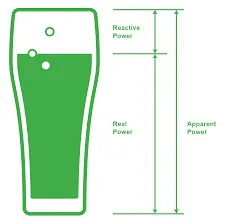
Power factor correctionCompensates reactive power so the supply is used more efficiently and reactive power charges and losses fall.
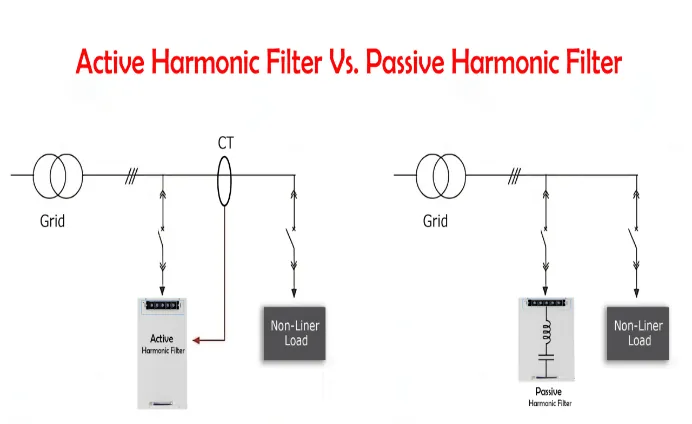
Harmonics control and filteringMitigates power quality problems caused by harmonics from drives, UPS systems and electronic loads.
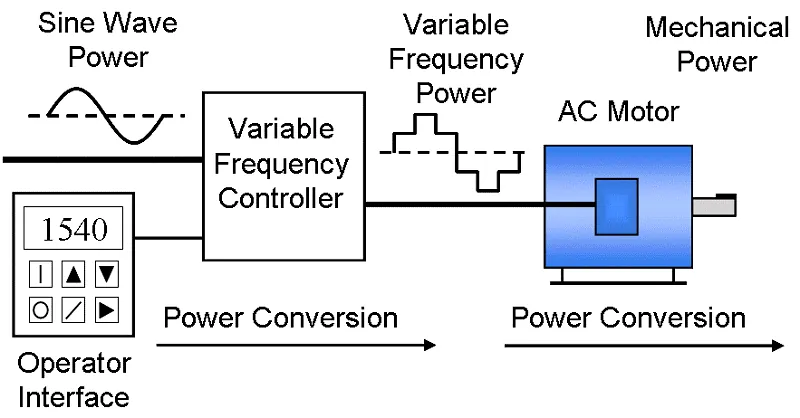
Variable frequency drivesMatch motor speed to the actual demand of pumps, fans and compressors.
Lighting retrofitLED and energy-efficient lighting for indoor and outdoor areas.
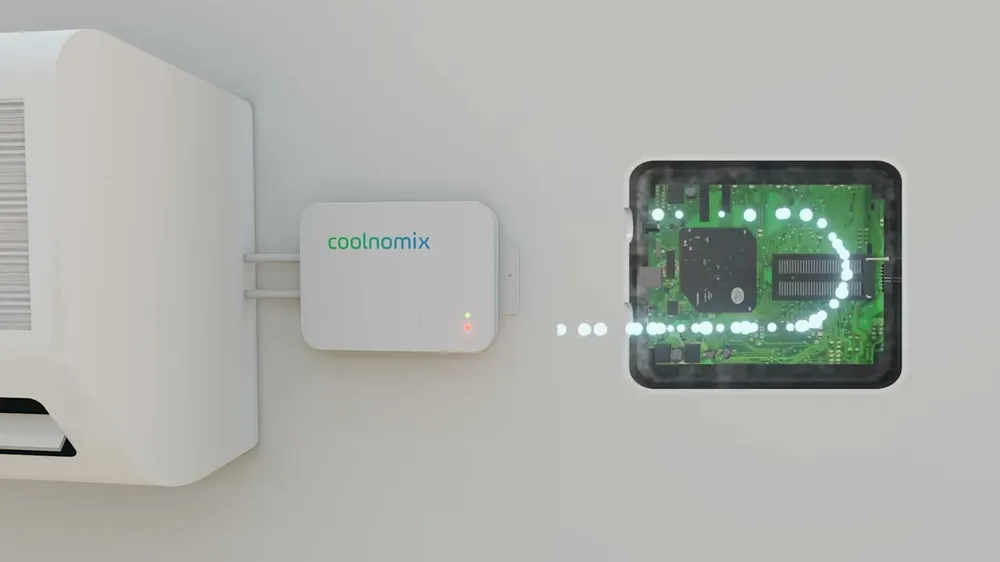
HVAC and refrigeration optimisationSmarter control of air conditioning and refrigeration than single-sensor on/off cycling.
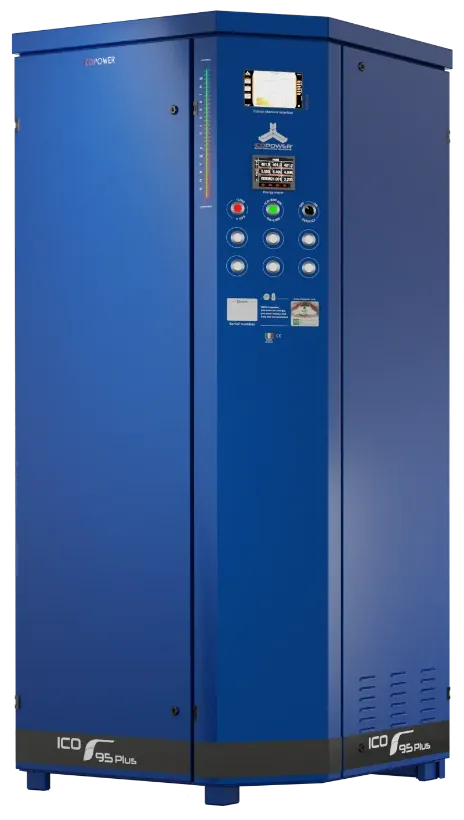
Floor-standing power quality cabinet
Voltage optimisation and power quality equipment
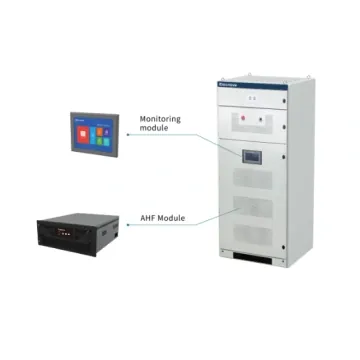
Active harmonic filter cabinet with monitoring module
Active harmonic filter with monitoring module
Diagram comparing active and passive harmonic filter connections
Active vs passive harmonic filtering
Diagram of real, reactive and apparent power
Power factor: real, reactive and apparent power
Diagram of a variable frequency drive controlling an AC motor
How a variable frequency drive controls a motor
Coolnomix controller fitted to an air-conditioning unit
Coolnomix air-conditioning optimisation
How savings are proven

Measured and verified to IPMVP.

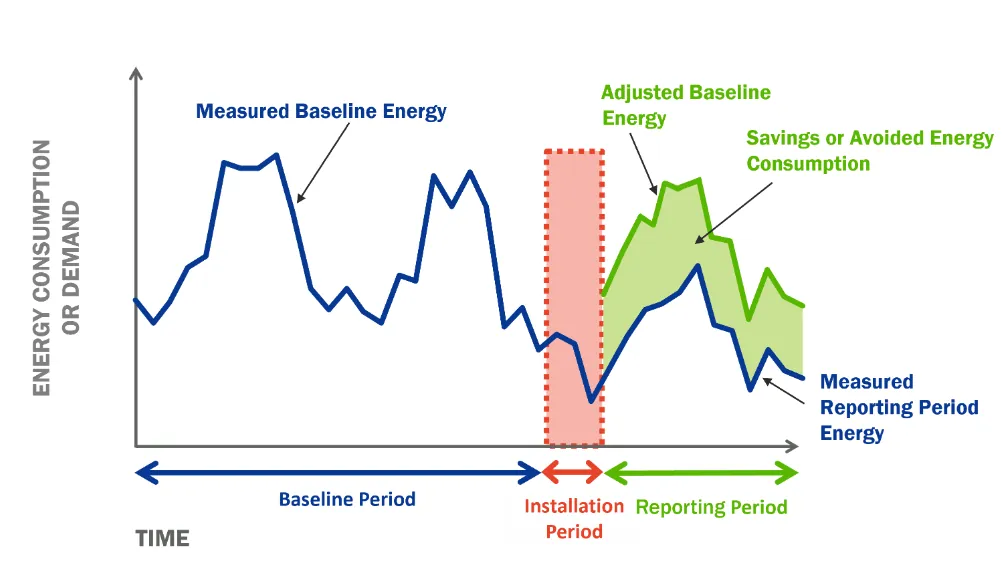
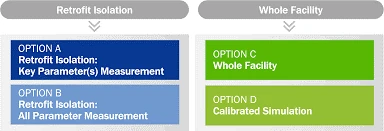
Every project starts from a measured baseline. After the retrofit, savings are calculated with the International Performance Measurement and Verification Protocol, combining the M&V options that suit the project, and reported monthly.

Energy Savings = Baseline Energy Consumption − Post-Retrofit Energy Consumption ± Routine/Non-Routine Adjustments

Chart of baseline energy, adjusted baseline and measured reporting-period energy showing avoided energy
Savings = adjusted baseline minus measured consumption
IPMVP options A to D for retrofit isolation and whole-facility measurement
IPMVP options A–D
Paying for it

No upfront capital under an ESPC.

Choose outright purchase, leasing or an Energy Savings Performance Contract. Under an ESPC, once savings are verified you pay either a fixed monthly amount or a share of the savings, typically 50%, calculated monthly on your kWh consumption.

  • Guaranteed minimum level of savings
  • Bankable business case and lender documentation
  • Maintenance for the full contract term
EnMIS platform

See where every kilowatt-hour goes.

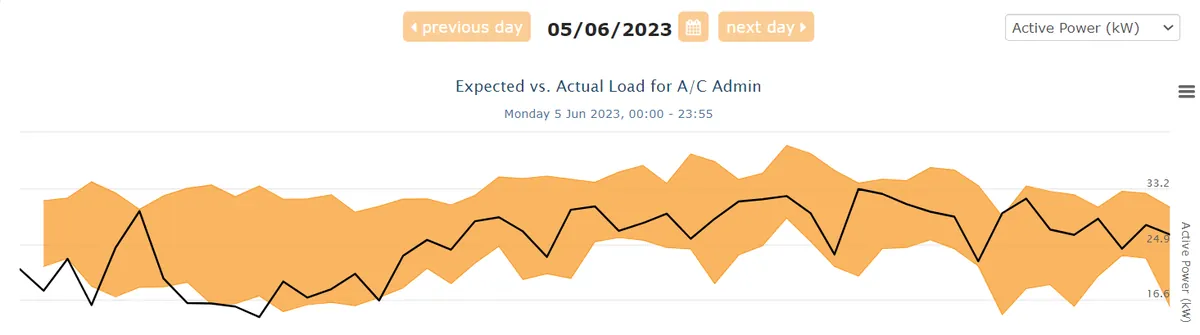
Our Energy Management Information System combines AI with energy and operational data: interval consumption, demand, temperature, humidity, pressure and occupancy. Machine learning predicts demand and estimates savings, and results are reported monthly to IPMVP.

Heat map of air-conditioning activity by hour across a month
Activity heat map: when equipment actually runs
Chart comparing expected and actual air-conditioning load over a day
Expected vs actual load, used to spot waste
Our process

Six steps from study to sustained savings.

  1. Feasibility studyAnalysis of the facility's energy consumption, losses and savings potential.
  2. EngineerTechnical design and a bankable business case covering investment, savings and payback.
  3. FinancingSupport in securing financing, including the documentation lenders require.
  4. ImplementProcurement, installation and commissioning by our own engineers.
  5. VerifySavings measured to IPMVP on our EnMIS platform, reported monthly.
  6. MaintainPreventive maintenance for the full contract term, so that savings are sustained.
FAQ

Frequently asked questions

What is the difference between a walk-through audit and an investment-grade audit?

A Walk-Through Audit (WTA) gives an overview of savings potential, the building's consumption profile and preliminary CAPEX and OPEX. An Investment-Grade Audit (IGA) adds accurate metering of every energy end use, 24/7 monitoring, detailed technical design and a financial proposal with ROI and simple payback.

How does an Energy Savings Performance Contract (ESPC) work?

Icopower finances, installs and maintains the measures, so there is no upfront capital. Once savings are measured and verified, the client either pays a fixed monthly amount from the savings or shares the savings, typically 50%, calculated monthly on kWh consumption.

How are savings calculated?

We follow IPMVP: Energy Savings = Baseline Energy Consumption − Post-Retrofit Energy Consumption ± Routine/Non-Routine Adjustments. Results are reported monthly on our EnMIS platform.

What is voltage optimisation?

Voltage optimisation covers technologies that stabilise, regulate and reduce supply voltage to the level equipment actually needs, cutting losses and protecting equipment from over-voltage.

Can thermography be done without shutting down production?

Yes. Infrared inspections are carried out with equipment running, and find overloaded circuits, faulty insulation and connections and defective components.

Find out what your facility could save.

Start with a feasibility study: we analyse your consumption, losses and savings potential and show the investment and payback.